

 |
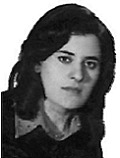
There once lived a person named:
With conflict in Kordestan, she and her younger sister were nurses at the same hospital. Their ethics were on view, as patients arrived from both sides of the clashes.

Reported executions
44
April 2024
156
In 2024
807
In 2023
578
In 2022
317
In 2021
248
In 2020
258
In 2019


INTERRUPTED LIVES: Portraits of Student Repression in Iran
"Interrupted Lives" is a traveling exhibit that tells the story of Iranian students who have been punished for expressing their beliefs. Thousands have been victims of politically motivated arrests or executions during the past three decades.

The Cost of Defending the Rule of Law
This timeline examines four decades of persecution of lawyers in Iran. It is the first phase of a project that seeks to provide an understanding about the root causes for systematic persecution of human rights defenders, journalists, lawyers and others who have called for reform.
Working towards peaceful transition in Iran
by documenting human rights abuses and promoting democratic values
Omid Memorial
Home to thousands of executed victims of all ages and all walks of life.
Visit Omid’s silenced victims and revive their memory ❯
What you do matters.
Don’t let those whose lives were cut short be forgotten. If you know of a victim click here ❯